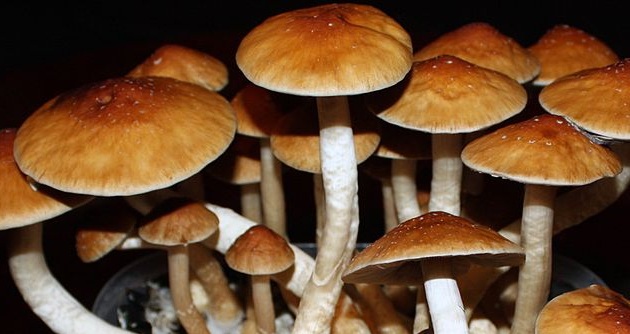
Psilocybe cubensis species illustration: Golden Teacher pictured. This photograph does not identify the variety discussed on this page.
Mädi / Wikimedia Commons · CC BY-SA 3.0
About B+ cubensis mushrooms
B+, sometimes written B-Plus, is a cultivated name used for Psilocybe cubensis mushrooms. “Cubensis B+” describes a variety within a species.
Also searched as: B+ · B-Plus · B Plus · cubensis B+
Buy B+ cubensis: pricing & legal access
B+ cubensis online: availability & product information
Psilocybin and psilocin are federally controlled in the United States. Check the difference between a name used in a taxonomy and a lawful, regulated product. DrugRX has no verified pharmacy price or vendor recommendation for B+ mushrooms.
Pricing status: No live price feed or verified quote. DrugRX does not sell or dispense products.
Sources: DEA — Controlled substances alphabetical list (October 2026)
B+ cubensis information
Identity and naming
B+ is not a separate active compound. A laboratory paper analyzed B-Plus alongside four other named P. cubensis strains. It is important to preserve the species and variety relationship when comparing records.
Sources: Chemical analysis of five P. cubensis strains (2024)
What the B+ study measured
The 2024 study used liquid chromatography–tandem mass spectrometry to measure psilocybin and psilocin in dried samples. Its analytical results describe those samples, not every product subsequently labeled B+.
Sources: Chemical analysis of five P. cubensis strains (2024)
Effects and dosage limitations
The paper is an analytical chemistry study, not a treatment trial or a dosing guide. It cannot establish that B+ is universally mild, safe for beginners or effective for a medical condition.
Sources: Chemical analysis of five P. cubensis strains (2024)
Where B+ fits in the species
B+ is a cultivated name associated with P. cubensis, not a separate species or compound. The plus sign is part of the name and does not describe an analytical potency grade.
Sources: Chemical analysis of five P. cubensis strains (2024)
How the B+ samples were analyzed
The cited 2024 work used liquid chromatography–tandem mass spectrometry to measure psilocybin and psilocin. It compared five named strains, including B-Plus. This is evidence about analyzed materials rather than a clinical comparison of their effects.
Sources: Chemical analysis of five P. cubensis strains (2024)
Interpreting a named sample
A seller label and a laboratory sample identifier are not equivalent documentation. Without a traceable relationship to the tested material, a published result cannot establish the composition of a different batch.
Sources: Chemical analysis of five P. cubensis strains (2024)
Dosage context
The cited chemistry study does not establish a consumer treatment dose for B+. Measured compound content in study material must not be treated as directions for using another sample.
Sources: Chemical analysis of five P. cubensis strains (2024)
B+ versus Golden Teacher
These are cultivated labels within the same species. Different evidence exists for different tested materials; there is no universal clinical conversion between the two names.
Sources: Chemical analysis of five P. cubensis strains (2024) · Controlled study of 14 P. cubensis strains (2026)
Sources and editorial notes
Prepared by DrugRX using the references linked below. Sources were consulted on 2026-10-31. This page has not been independently reviewed by a clinician. Research findings, medication approval and legal permission are separate questions.
- Chemical analysis of five P. cubensis strains (2024)
- P. cubensis genetics and research gaps (2025)
- DEA — Controlled substances alphabetical list (October 2026)
- Controlled study of 14 P. cubensis strains (2026)
Legal information is a dated U.S. reference. Product rules and local laws may change. Where the evidence does not establish a dose, interaction profile or price, the page states that limitation.