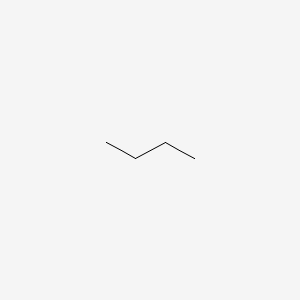
Butane molecular structure. This diagram does not show a finished medicine or identify a pill.
PubChem / National Library of Medicine · Structure images reusable under PubChem citation guidelinesAbout Butane
Butane is a flammable hydrocarbon gas used in fuel products. It is not a medication.
Buy Butane: pricing & legal access
Butane online: availability & product information
Fuel availability is unrelated to pharmaceutical access. DrugRX does not provide inhalation-product recommendations or recreational price comparisons.
Pricing status: No live price feed or verified quote. DrugRX does not sell or dispense products.
Sources: CDC/NIOSH — n-Butane
Butane information
Chemical and product context
Lighter fuel and aerosol mixtures can contain butane or related hydrocarbons. A product name may describe a mixture rather than pure n-butane.
Sources: CDC/NIOSH — n-Butane
Exposure hazards
High exposure can cause dizziness, drowsiness and asphyxia. Contact with liquefied gas can cause cold injury. Fire and explosion risks are also important.
Sources: CDC/NIOSH — n-Butane
No human-use dose
Workplace exposure controls are not instructions for inhalation. Serious symptoms after gas exposure require urgent medical assessment.
Sources: CDC/NIOSH — n-Butane
n-Butane and related names
The NIOSH entry concerns normal butane. Isobutane is a separate isomer, and commercial fuel may be a mixture. A broad butane label does not resolve the exact composition of every fuel or aerosol product.
Sources: CDC/NIOSH — n-Butane
Compressed gas and liquid contact
Butane is commonly supplied as a liquefied compressed gas. Expansion and contact with the liquid can create cold-injury hazards that differ from the effects of breathing a high gas concentration.
Sources: CDC/NIOSH — n-Butane
Oxygen displacement and alertness
High concentrations can impair alertness and displace oxygen. Loss of consciousness in an affected space creates risks beyond a simple transient feeling of dizziness. Fire and explosion hazards may exist at the same incident.
Sources: CDC/NIOSH — n-Butane
Butane versus propane
Both are hydrocarbon fuels, but they are different chemicals with different physical properties. A shared commercial use does not make their safety data or exposure limits interchangeable. This directory treats them as exposure references, not drug formulations.
Sources: CDC/NIOSH — n-Butane · CDC/NIOSH — Propane
Sources and editorial notes
Prepared by DrugRX using the references linked below. Sources were consulted on 2026-10-31. This page has not been independently reviewed by a clinician. Research findings, medication approval and legal permission are separate questions.
Legal information is a dated U.S. reference. Product rules and local laws may change. Where the evidence does not establish a dose, interaction profile or price, the page states that limitation.