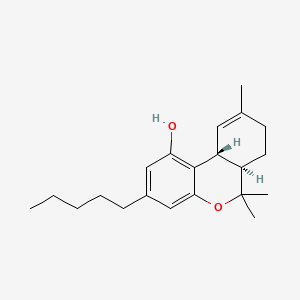
Delta-9-tetrahydrocannabinol molecular structure. This diagram does not show a finished medicine or identify a pill.
PubChem / National Library of Medicine · Structure images reusable under PubChem citation guidelinesAbout Delta-9-tetrahydrocannabinol
Delta-9-tetrahydrocannabinol, or THC, is an intoxicating cannabinoid. A cannabis product’s form and composition affect its risks.
Also searched as: THC
Available strengths
Strength is the amount in a tablet, capsule, liquid or patch. Different formulations are listed separately.
| Product & formulation | Strengths |
|---|---|
| Marinol (dronabinol) Prescription oral capsule | 2.5 mg · 5 mg · 10 mg Synthetic delta-9-THC medicine; not a dosing specification for cannabis flower, extracts or edibles. Product label · Checked 2026-10-31 |
Dosages in the product label
Marinol (dronabinol) — Anorexia associated with weight loss in AIDS
Population: Adults
Labeled starting dose: 2.5 mg twice daily before lunch and dinner.
Older or intolerant patients may start at 2.5 mg once daily. This does not apply to cannabis edibles or flower.
Prescribing information · Checked 2026-10-31
Buy THC: pricing & legal access
THC online: availability & product information
Product-specific federal and state rules matter. An online storefront does not establish lawful delivery. Compare only verified regulated products where permitted; DrugRX has no live dispensary or pharmacy prices.
Pricing status: No live price feed or verified quote. DrugRX does not sell or dispense products.
THC information
THC and cannabis products
Flower, concentrates, edibles and vape products are different preparations. State cannabis programs and federally approved medicines are separate regulatory contexts.
Sources: CDC — Cannabis questions and health effects · FDA — Cannabis products and regulation
Health effects
THC can impair memory, attention and coordination. Edibles may have delayed effects; accidental ingestion by children can cause serious illness. Frequent use can lead to cannabis use disorder.
Product and dosage context
No universal cannabis dose is provided. A package’s weight does not describe its THC concentration, and a consumer cannabis product is not interchangeable with a prescribed cannabinoid medicine.
THC and cannabis are different descriptions
THC names a compound; cannabis describes plant-derived material containing many compounds. A percentage on a product label and the weight of a package are different measurements. Neither can be interpreted without knowing the actual product.
Edibles and delayed effects
Edible cannabis can have delayed and unpredictable effects compared with inhaled material. That delay can contribute to accidental overconsumption. Food-like packaging also creates risks of unintentional ingestion by children.
Cannabis use disorder and impairment
Repeated cannabis exposure can lead to problematic use in some people. Impairment of attention, memory or coordination can affect safety and daily functioning; familiarity with the product does not establish fitness to drive.
Delta-9 THC, delta-8 THC and CBD
THC isomers and CBD are different chemical descriptions. CBD does not produce the characteristic THC high, but consumer products can contain additional cannabinoids. Ingredient identity, concentration and formulation should remain separate questions.
Sources: CDC — Cannabis questions and health effects · CDC — About CBD
Sources and editorial notes
Prepared by DrugRX using the references linked below. Sources were consulted on 2026-10-31. This page has not been independently reviewed by a clinician. Research findings, medication approval and legal permission are separate questions.
- CDC — Cannabis questions and health effects
- FDA — Cannabis products and regulation
- CDC — Cannabis poisoning and edible products
- CDC — About CBD
- DailyMed — Marinol product label
Legal information is a dated U.S. reference. Product rules and local laws may change. Where the evidence does not establish a dose, interaction profile or price, the page states that limitation.