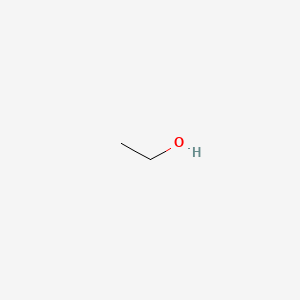
Ethanol molecular structure. This diagram does not show a finished medicine or identify a pill.
PubChem / National Library of Medicine · Structure images reusable under PubChem citation guidelinesAbout Ethanol
Ethanol is the alcohol in beer, wine and spirits. Product strength and drinking pattern affect exposure and health risks.
Also searched as: Alcohol · Ethyl alcohol
Buy Ethanol: pricing & legal access
Ethanol online: availability & product information
Age, licensing and delivery rules depend on jurisdiction and product. DrugRX has no live beverage prices and does not present beverage retail as medication access.
Pricing status: No live price feed or verified quote. DrugRX does not sell or dispense products.
Sources: NIAAA — Alcohol overdose
Ethanol information
Ethanol and product labels
Alcohol-containing beverages are different from industrial or denatured alcohol products. A shared chemical name must not be used to treat nonbeverage products as drinkable.
Sources: NIAAA — Alcohol overdose
Intoxication and overdose
Alcohol can impair judgment and coordination. Severe confusion, vomiting, slow breathing and inability to wake can signal overdose, which may be fatal.
Sources: NIAAA — Alcohol overdose
Medication interactions
Combining alcohol with opioids, benzodiazepines or sleep medicines can amplify sedation and breathing suppression. Many other medicines also have clinically important interactions.
Dependence and withdrawal
Alcohol withdrawal can be life-threatening after heavy, prolonged use. Seek medical advice before stopping if dependence is possible. Seizures, severe confusion or hallucinations require urgent assessment; this reference does not supply a home withdrawal regimen.
Sources: MedlinePlus — Alcohol withdrawal
Alcohol strength and product identity
Beer, wine and spirits can contain different ethanol concentrations. Industrial or denatured alcohol is a different product context and can contain substances that make it unsafe to drink. A familiar alcohol term is not a complete ingredient description.
Sources: NIAAA — Alcohol overdose
Intoxication is different from withdrawal
Acute overdose concerns alcohol already affecting the body. Withdrawal follows reduction or cessation after physiological adaptation. These are different clinical processes and can require different assessment and treatment.
Sources: NIAAA — Alcohol overdose · MedlinePlus — Alcohol withdrawal
Alcohol use disorder and dependence
The clinical assessment considers patterns of impaired control, consequences and physical adaptation rather than one isolated label such as heavy drinking. Withdrawal risk is particularly relevant when regular exposure changes.
Sources: MedlinePlus — Alcohol withdrawal
Alcohol with sedating medicines
Alcohol can amplify sedation and breathing suppression with opioids, benzodiazepines and sleep medicines. It can also interact with medicines that are not primarily sedatives. The complete medication list matters when assessing a reaction.
Sources and editorial notes
Prepared by DrugRX using the references linked below. Sources were consulted on 2026-10-31. This page has not been independently reviewed by a clinician. Research findings, medication approval and legal permission are separate questions.
Legal information is a dated U.S. reference. Product rules and local laws may change. Where the evidence does not establish a dose, interaction profile or price, the page states that limitation.