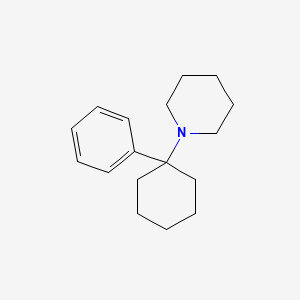
Phencyclidine molecular structure. This diagram does not show a finished medicine or identify a pill.
PubChem / National Library of Medicine · Structure images reusable under PubChem citation guidelinesAbout Phencyclidine
Phencyclidine, usually called PCP, is a dissociative substance. It is chemically different from ketamine despite some overlapping drug-class descriptions.
Also searched as: PCP · Angel dust
Buy Phencyclidine: pricing & legal access
Phencyclidine online: availability & product information
PCP is federally listed in Schedule II. DrugRX provides no retail purchasing pathway, seller verification or illicit-market price. A schedule entry alone does not establish lawful consumer access.
Pricing status: No live price feed or verified quote. DrugRX does not sell or dispense products.
Sources: DEA — Controlled substances alphabetical list (October 2026)
Phencyclidine information
Classification
PCP changes perception and awareness. Its place in a controlled-substance schedule is a legal classification, not a recommendation for self-treatment.
Sources: DEA — Phencyclidine
Health risks
Dissociation and impaired perception can contribute to dangerous behavior and injury. Severe confusion, loss of consciousness or seizures needs emergency assessment.
Sources: DEA — Phencyclidine
Dosage and evidence limits
This reference does not establish a current consumer treatment indication or safe self-use dose. It must not be used to substitute PCP for a prescribed anesthetic.
Sources: DEA — Phencyclidine
U.S. federal classification
Listed federally in Schedule II. Classification does not by itself establish that a particular product is approved or that an online transaction is lawful. State requirements and product-specific rules also apply.
Sources: DEA — Phencyclidine
Development and medical history
PCP was investigated as an anesthetic, but unacceptable psychological effects contributed to its discontinuation. DEA describes it as no longer used for medical purposes in the United States. Its controlled status should not be mistaken for a current retail medicine indication.
Sources: DEA — Phencyclidine
Dissociation and clinical presentation
PCP can cause detachment, impaired coordination, altered perception and agitation. The presentation varies, and someone may be at risk of injury even when the amount or exact product is not known.
Sources: DEA — Phencyclidine
Longer-lasting problems
Repeated use has been associated with dependence and persistent problems involving memory, thinking, mood or speech. These complaints can require assessment beyond the period of obvious intoxication.
Sources: DEA — Phencyclidine
PCP versus ketamine
Both appear in dissociative-drug discussions, but PCP and ketamine are different compounds with different medical histories. A relationship between their drug classes is not a basis for substituting one for another.
Sources: DEA — Phencyclidine · CDC — Ketamine and esketamine facts (2026)
Sources and editorial notes
Prepared by DrugRX using the references linked below. Sources were consulted on 2026-10-31. This page has not been independently reviewed by a clinician. Research findings, medication approval and legal permission are separate questions.
- DEA — Phencyclidine
- CDC — Ketamine and esketamine facts (2026)
- DEA — Controlled substances alphabetical list (October 2026)
Legal information is a dated U.S. reference. Product rules and local laws may change. Where the evidence does not establish a dose, interaction profile or price, the page states that limitation.