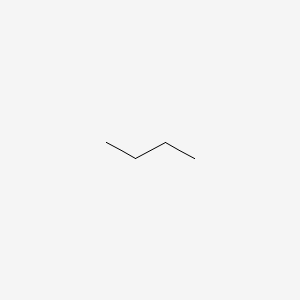
butane molecular structure — one example within this group.
PubChem / National Library of Medicine · Structure images reusable under PubChem citation guidelinesAbout Aerosol propellants
Aerosol propellants describe a product class, not one drug or chemical. The contents differ between sprays.
Buy Aerosol propellants: pricing & legal access
Aerosol propellants online: availability & product information
Retail availability of a spray does not establish suitability for inhalation. DrugRX does not provide recreational purchasing guidance or compare aerosol products for that purpose.
Pricing status: No live price feed or verified quote. DrugRX does not sell or dispense products.
Sources: CDC/NIOSH — n-Butane · CDC/NIOSH — Propane
Aerosol propellants information
Identify the actual ingredients
This taxonomy groups products by exposure context. Use the manufacturer’s safety data sheet to identify the gas or solvent rather than assigning one chemical profile to every aerosol.
Sources: CDC/NIOSH — n-Butane · CDC/NIOSH — Propane
Exposure hazards depend on composition
For hydrocarbon-containing products, oxygen displacement, impaired consciousness, cold injury and flammability are concerns. Other ingredients can create additional hazards.
Sources: CDC/NIOSH — n-Butane · CDC/NIOSH — Propane
No shared dosing or interaction table
A mixture cannot be given a meaningful drug dose without knowing its composition, and industrial exposure limits are not consumption instructions.
Sources: CDC/NIOSH — n-Butane · CDC/NIOSH — Propane
A product class rather than one molecule
An aerosol package can contain a propellant, solvents and other ingredients. Grouping products by packaging or exposure context does not establish a common active drug or a single set of chemical properties.
Sources: CDC/NIOSH — n-Butane · CDC/NIOSH — Propane
Mixtures and product documentation
Two sprays with similar containers may have different formulations. Their safety data sheets and ingredient information should be attached to the actual product rather than to an assumed universal aerosol formula.
Sources: CDC/NIOSH — n-Butane · CDC/NIOSH — Propane
Pressure, cold and ignition risks
Compressed-gas products can present physical hazards separate from toxic effects. Hydrocarbon-containing propellants may be flammable, while liquefied gas contact can cause cold injury. The container and formulation both matter.
Sources: CDC/NIOSH — n-Butane · CDC/NIOSH — Propane
Exposure categories versus drug classes
Inhalants describes a group of exposures, not a single pharmacological class with interchangeable doses or effects. Toluene, butane and nitrous oxide have separate entries because their chemical identities and risks differ.
Sources: CDC/NIOSH — Toluene · FDA — Nitrous oxide health warning
Sources and editorial notes
Prepared by DrugRX using the references linked below. Sources were consulted on 2026-10-31. This page has not been independently reviewed by a clinician. Research findings, medication approval and legal permission are separate questions.
Legal information is a dated U.S. reference. Product rules and local laws may change. Where the evidence does not establish a dose, interaction profile or price, the page states that limitation.