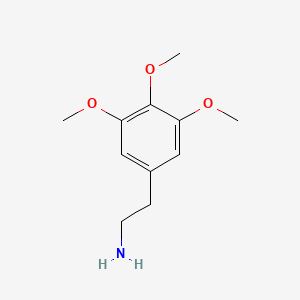
Mescaline molecular structure. This diagram does not show a finished medicine or identify a pill.
PubChem / National Library of Medicine · Structure images reusable under PubChem citation guidelinesAbout Mescaline
Mescaline is a phenethylamine psychedelic found in certain cacti. A cactus species name is not the same as an isolated compound.
Buy Mescaline: pricing & legal access
Mescaline online: availability & product information
Mescaline is federally listed in Schedule I. Specific religious exemptions are not general retail permissions. DrugRX provides no vendor listings or unverified prices.
Pricing status: No live price feed or verified quote. DrugRX does not sell or dispense products.
Sources: DEA — Controlled substances alphabetical list (October 2026)
Mescaline information
Identity and sources
Peyote and some other cacti contain mescaline. The compound changes perception and mood; traditional, religious and research contexts should be described separately.
Sources: DEA — Peyote and mescaline
Side effects
Nausea, vomiting, increased heart rate and impaired coordination can occur. Perceptual changes can impair judgment and contribute to injury.
Sources: DEA — Peyote and mescaline
Dosage context
No consumer dosing standard is supplied here. Plant composition varies, and research protocols cannot be applied to an unidentified preparation.
Mescaline and cactus identity
Mescaline is a chemical compound. Peyote is a cactus, and other mescaline-containing cacti have different biological identities. Botanical material also contains components beyond an isolated mescaline preparation.
Sources: DEA — Peyote and mescaline
Psychedelic effects
Mescaline has serotonergic hallucinogenic effects. Perception, emotion and coordination can change, while nausea and other physical effects may occur. A plant’s name does not establish the amount of mescaline in its material.
Sources: DEA — Peyote and mescaline
Religious context and legal scope
Certain religious uses are subject to specific rules and protections. These are not general permission for every person, product or transaction. A statement about one activity cannot establish the status of unrelated retail supply.
Sources: DEA — Controlled substances alphabetical list (October 2026)
Mescaline versus psilocybin and LSD
Mescaline is a phenethylamine; psilocybin is a tryptamine and LSD is a lysergamide. Similar descriptions of psychedelic experience do not make the structures, pharmacokinetics or legal details interchangeable.
Sources: DEA — Peyote and mescaline · NIH NCCIH — Psilocybin for mental health and addiction · DEA — LSD
Sources and editorial notes
Prepared by DrugRX using the references linked below. Sources were consulted on 2026-10-31. This page has not been independently reviewed by a clinician. Research findings, medication approval and legal permission are separate questions.
- DEA — Peyote and mescaline
- FDA — Psychedelic drugs: clinical investigations
- DEA — Controlled substances alphabetical list (October 2026)
- NIH NCCIH — Psilocybin for mental health and addiction
- DEA — LSD
Legal information is a dated U.S. reference. Product rules and local laws may change. Where the evidence does not establish a dose, interaction profile or price, the page states that limitation.